
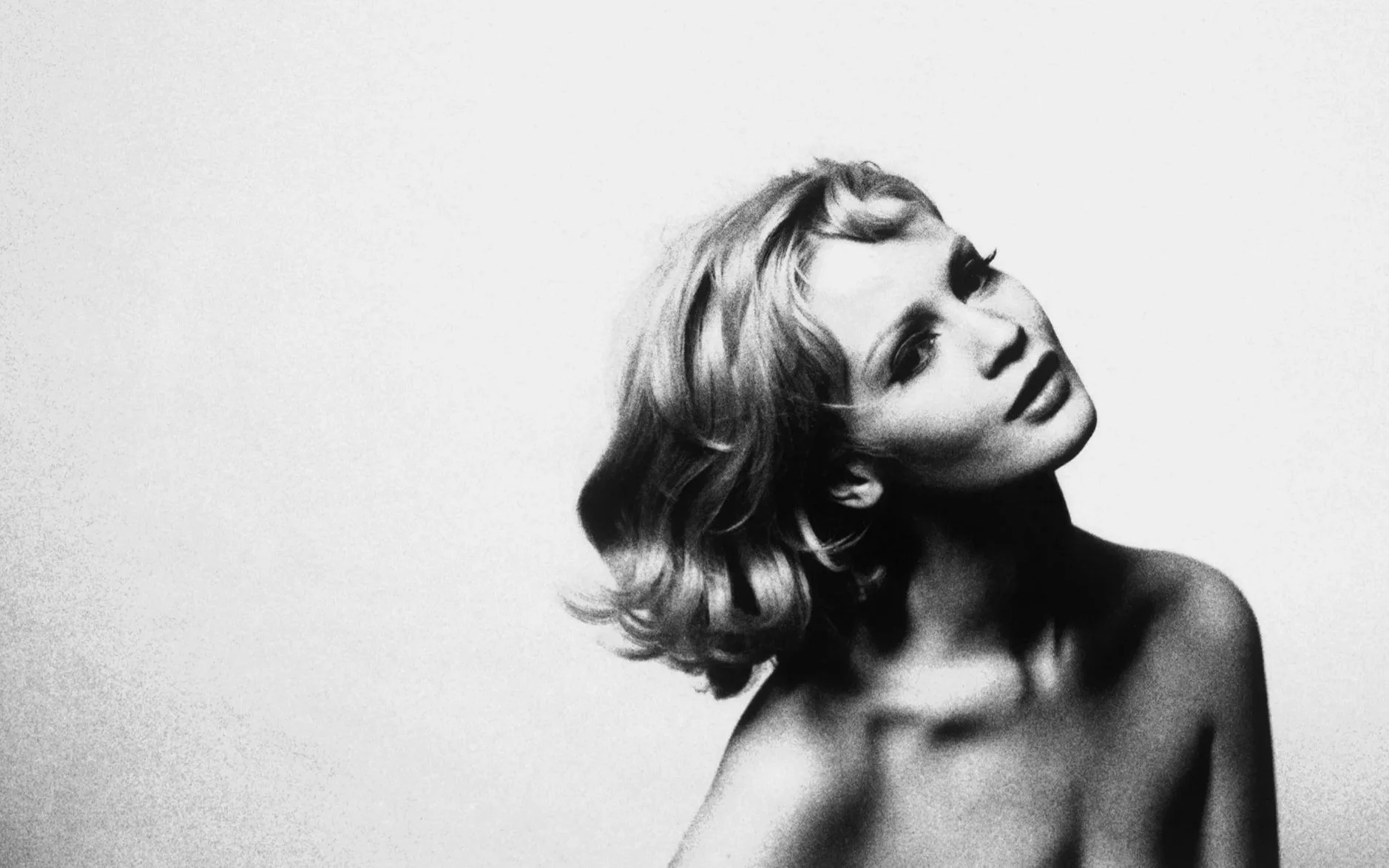
Another Moment
Celebrating 90 Years of Terence Donovan
Interview, curation and production by Luiza Boiteux
Elliott Gallery is thrilled to present a new digital exhibition celebrating the life and work of Terence Donovan on what would’ve been his 90th birthday:
Another Moment
Celebrating 90 Years of Terence Donovan
Terence Donovan is difficult to pin down through a single kind of photograph. There are models on London streets and famous faces: Julie Christie, Sophia Loren, Twiggy, Debbie Harry, Cindy Crawford. There are portraits, fashion stories, advertisements, contact sheets, films and music videos. Then there is the rest of it: judo, cameras, darkrooms, equipment, technical experiments, and a near-endless appetite for making pictures.
Photography was the constant. Donovan had started developing film in a darkroom at his parents’ house and never really lost interest in what happened between pressing the shutter and producing the final image. He liked processing, lighting, printing — the whole machinery of it.
Part of its appeal was that photography could never be completely controlled. Every image depended on a particular person, place and fraction of a second, none of which could be repeated exactly. However experienced Donovan became, there was always something left to pursue.
In an interview for this exhibition, his wife Diana Donovan shared memories of his working life, his many enthusiasms, and the curiosity that kept drawing him back to photography.
“Every morning he woke up when he could take photographs was a day that he looked forward to. He saw his life through the lens of a camera.”
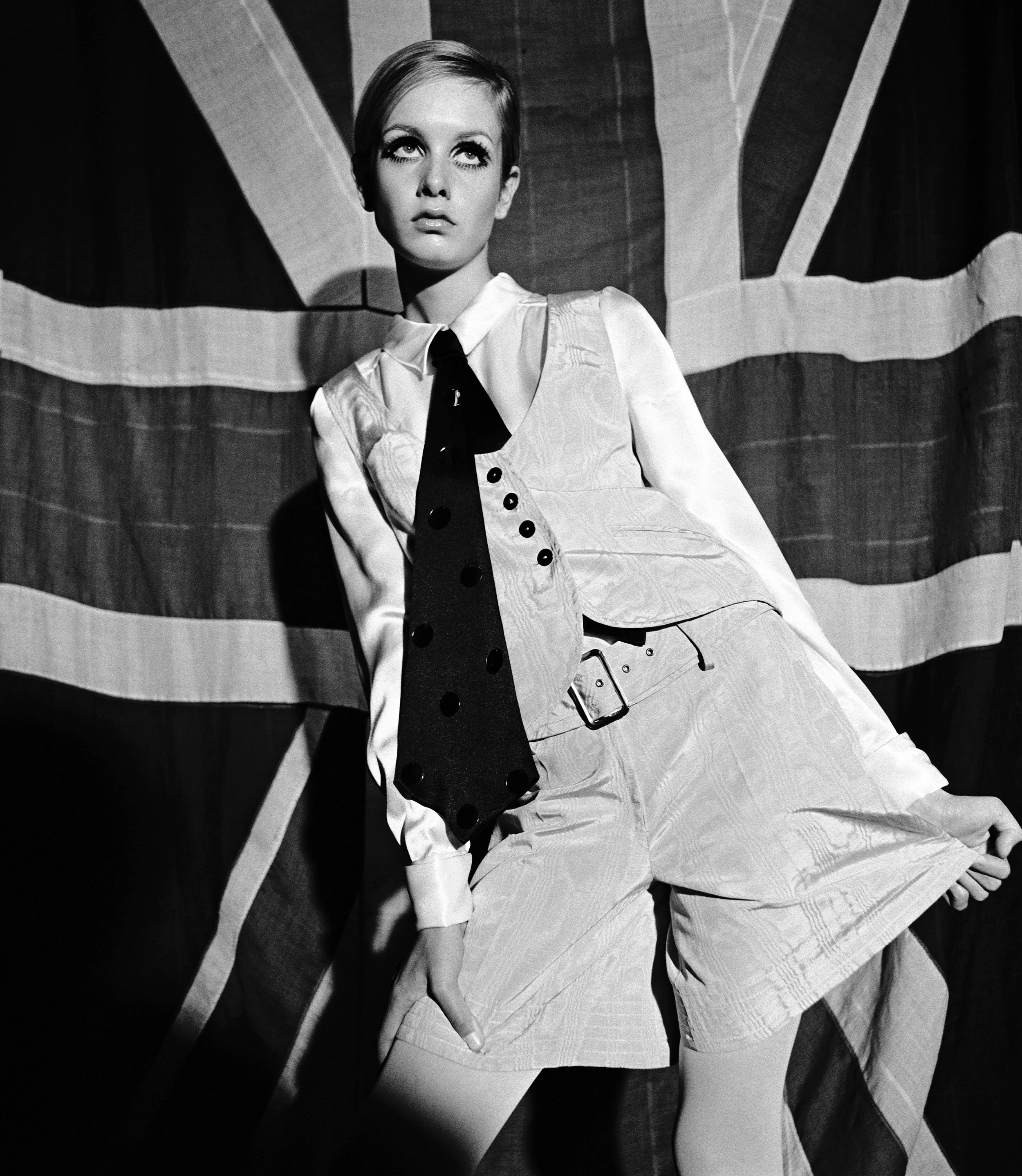
Twiggy for Women's Mirror, London, 1996
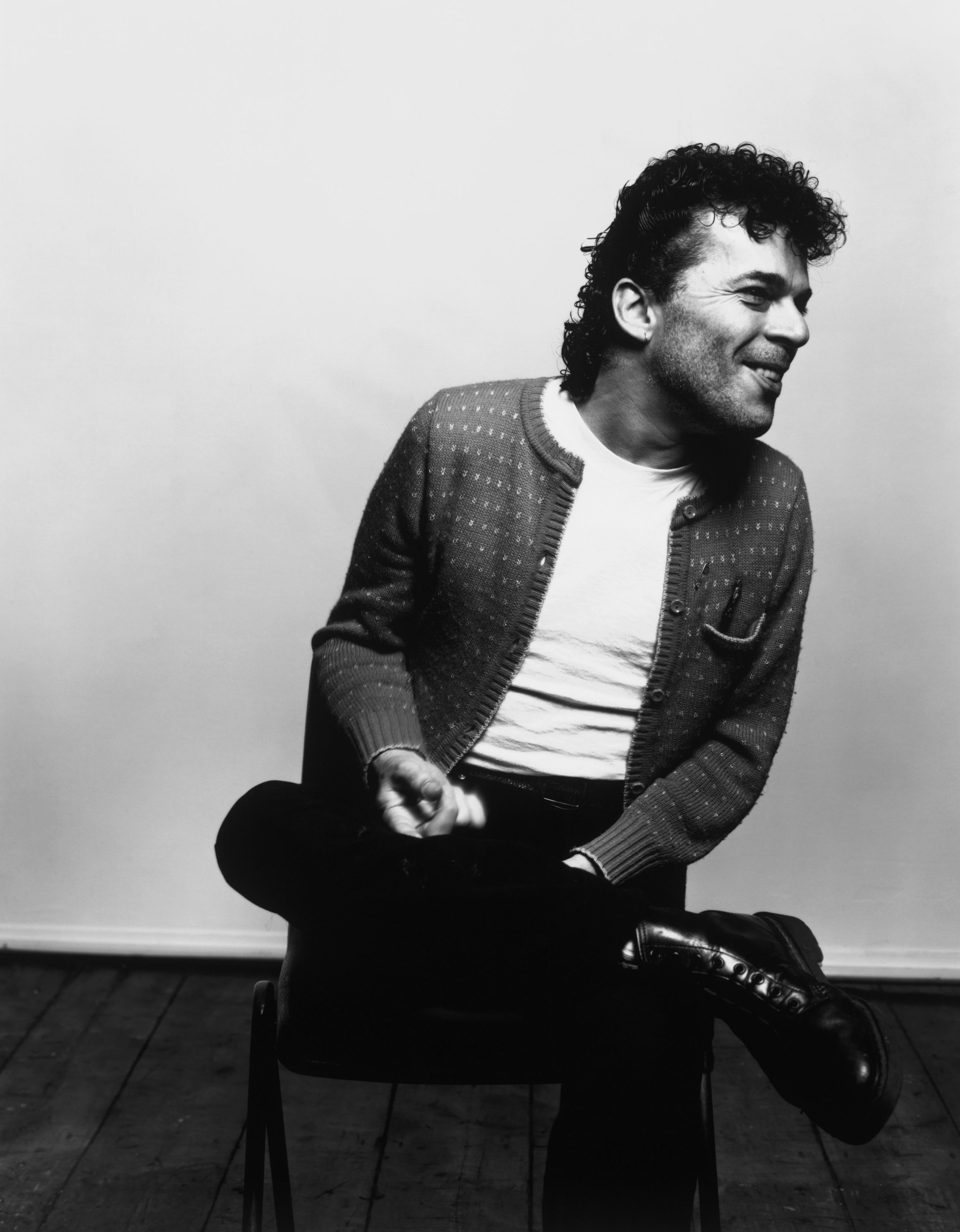
Ian Dury, London, 1981
LONDON AND THE EAST END
Before the celebrities, royal portraits and Vogue sittings, there was London. Donovan was born in Stepney and returned to the East End throughout his life: to photograph, to visit family and friends, or simply to drive through the city and watch it change. London remained both familiar territory and a constant source of new pictures.
The city entered Donovan’s professional work early on. In 1960, art director Tom Wolsey began commissioning him for Town. Among Donovan’s contributions was The Lay About Life, a series of portraits of writers and poets.
Wolsey was interested in how photographs could work across a spread, as part of a sequence, layout or story, and he pushed Donovan to think beyond the single image. Donovan later credited Wolsey as “the first to make me do things” and to help him understand what he was trying to achieve. Town became an important testing ground for how Donovan thought about photography.
This early experience also helps explain why the city remains so present in Donovan’s later work. London’s streets, pavements, brick walls, docks and industrial structures give the images scale, texture and tension. Their hard surfaces, changing neighbourhoods and passing activity give the controlled world of fashion something to push against.
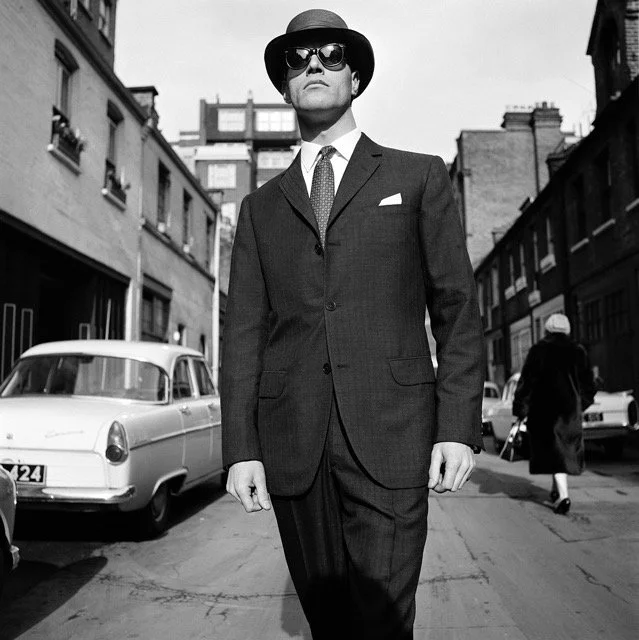
Advertising Shoot for Terylene, 10 March 1960

‘Dressed Overall’ Ika modelling utilitarian fashion in Deptford, London for Nova magazine, March 1974
“Terence enjoyed going back to the East End and would spend hours driving through the streets of London, absorbing the city’s vistas and rhythms.”
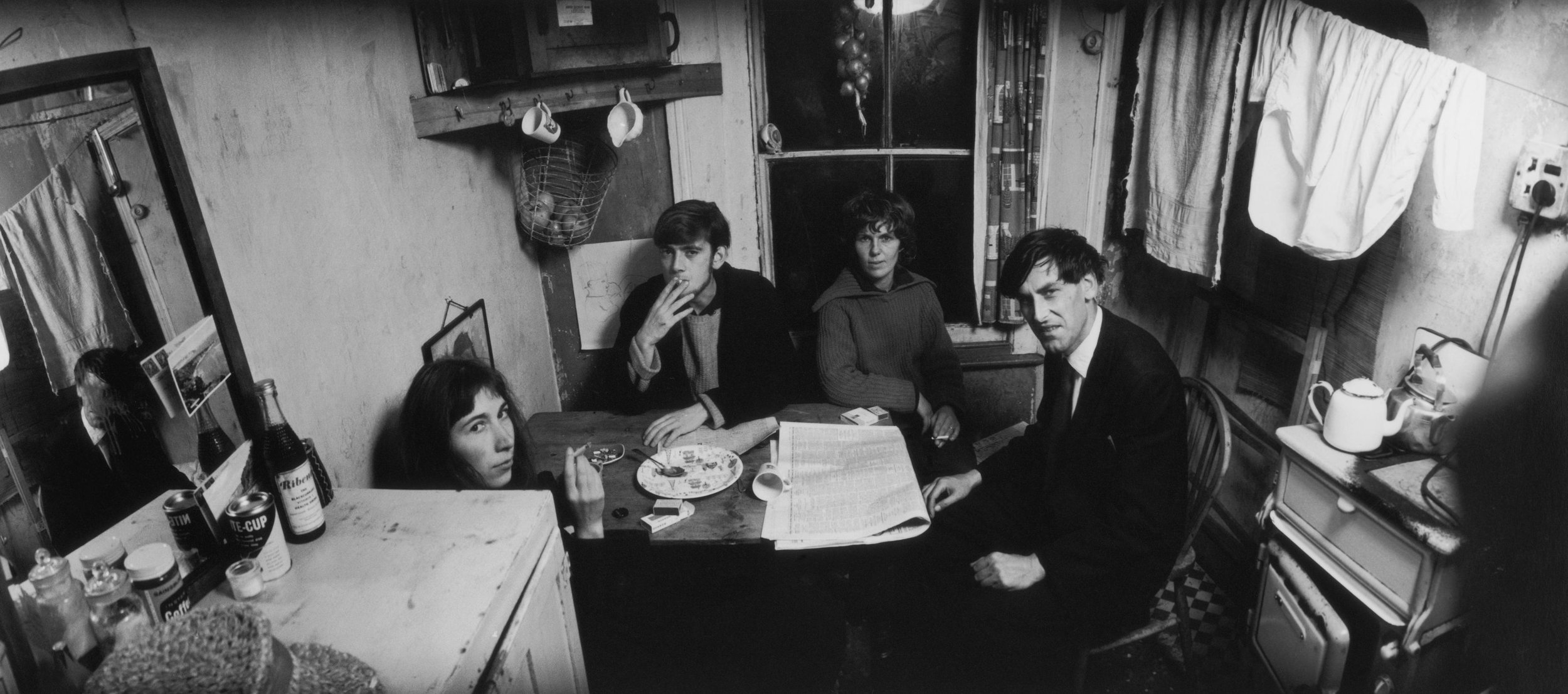
‘The Lay About Life’, photo essay for Man About Town, 1960
IN FRONT OF THE CAMERA
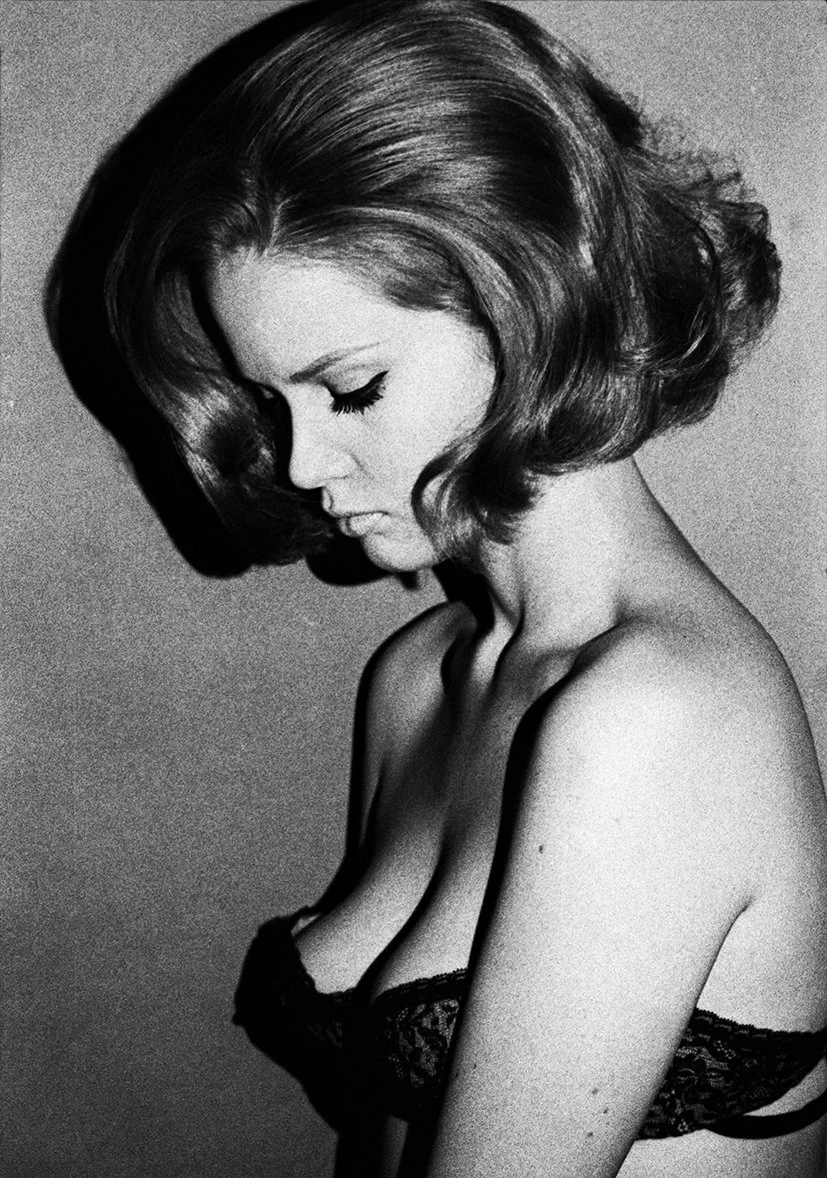
Celia Hammond, Model Tests, 5th September 1962
Donovan went on to photograph actors, musicians, models and members of the Royal Family, often with very little time to get to know the person in front of him.
Diana Donovan remembers that he could form an impression of a sitter quickly and adjust how he spoke to them accordingly, trying to “draw them out and get as much from them as possible” in the short time they had together. That brief relationship between photographer and sitter remains visible in the resulting image.
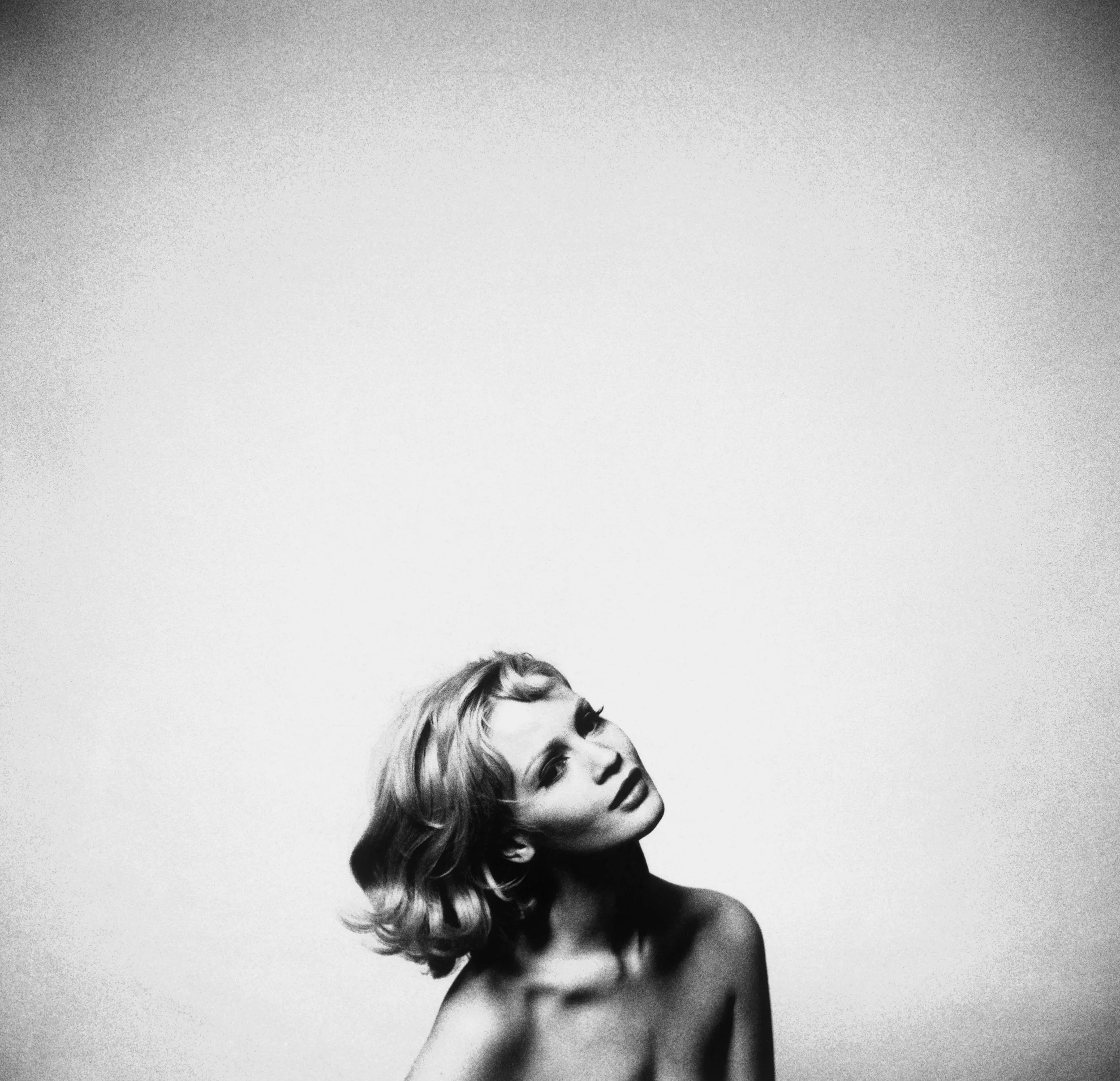
Celia Hammond, Test Shots, London, 18th December 1961
The same responsiveness runs through Donovan’s portraits more broadly. Julie Christie, Sophia Loren, Celia Hammond, Marianne Faithfull and Debbie Harry do not collapse into a single Donovan “look”. Clothes, setting, pose, distance and expression change with the sitter. A portrait could be carefully staged or remarkably spare; what mattered was finding a way for the person in front of the camera to hold the frame.
Over four decades, Donovan applied this attentiveness to an unusually broad range of subjects, from young actors and musicians to established cultural figures. What changes from portrait to portrait is not only the person in front of the camera, but the way Donovan chooses to meet them.
One of the clearest examples is Donovan’s 1967 portrait of Jimi Hendrix. By then, Hendrix was already associated with an explosive stage persona and the image of the guitar-burning rock star. Donovan photographed him very differently: at his ‘temporary home’, relaxed and surrounded by the colourful textiles he carried from flat to flat. The result is quieter and more intimate, briefly separating Hendrix from the performance that had come to define him.
The constant is attention: not simply to how somebody looks, but to how they occupy a photograph.

Jimi Hendrix in his London flat, Observer magazine, August 1967

Julie Christie, Town Magazine, 14th May 1962
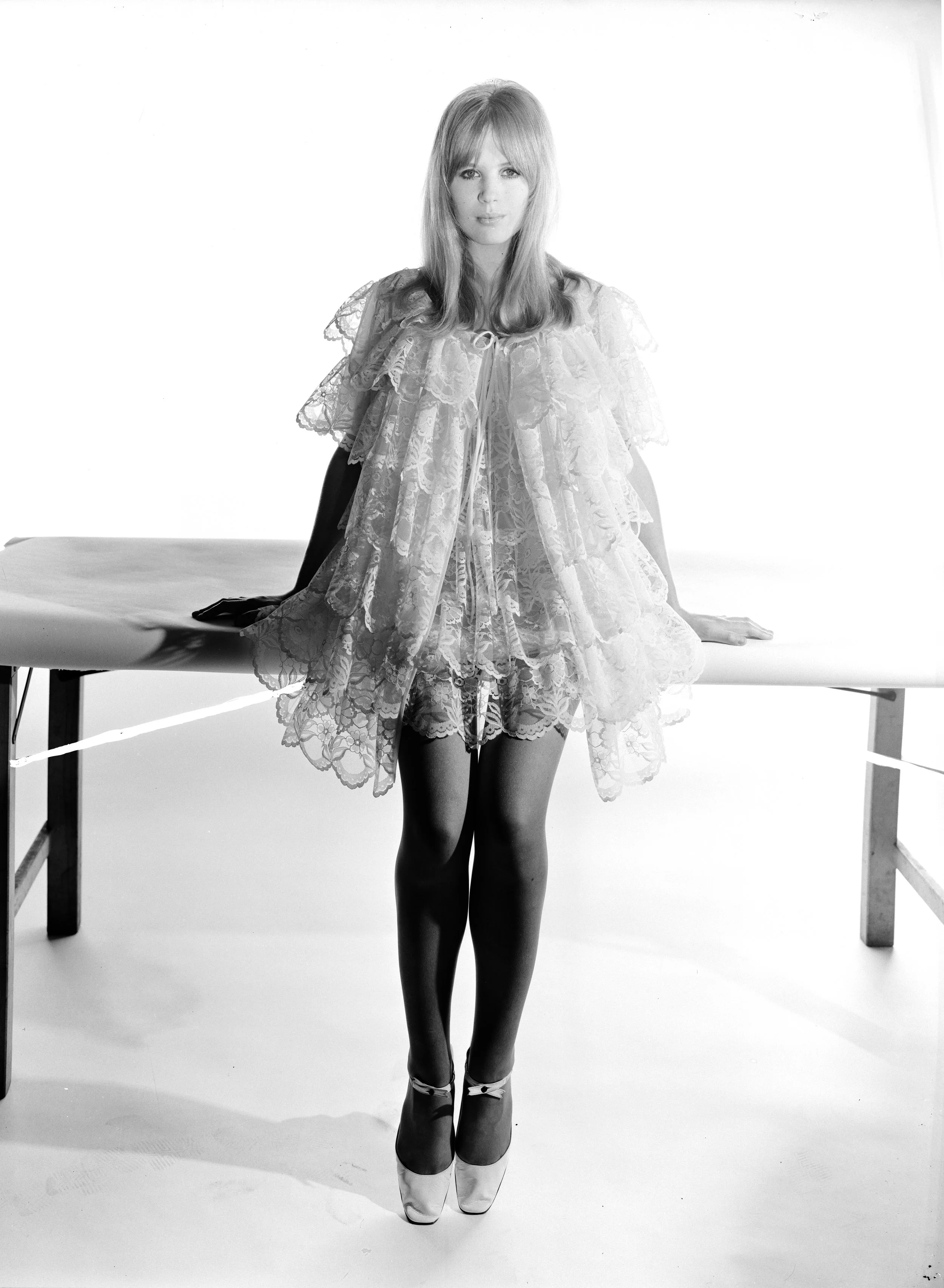
Marianne Faithful, Advertising Shot for Selfridges, 27 July 1966
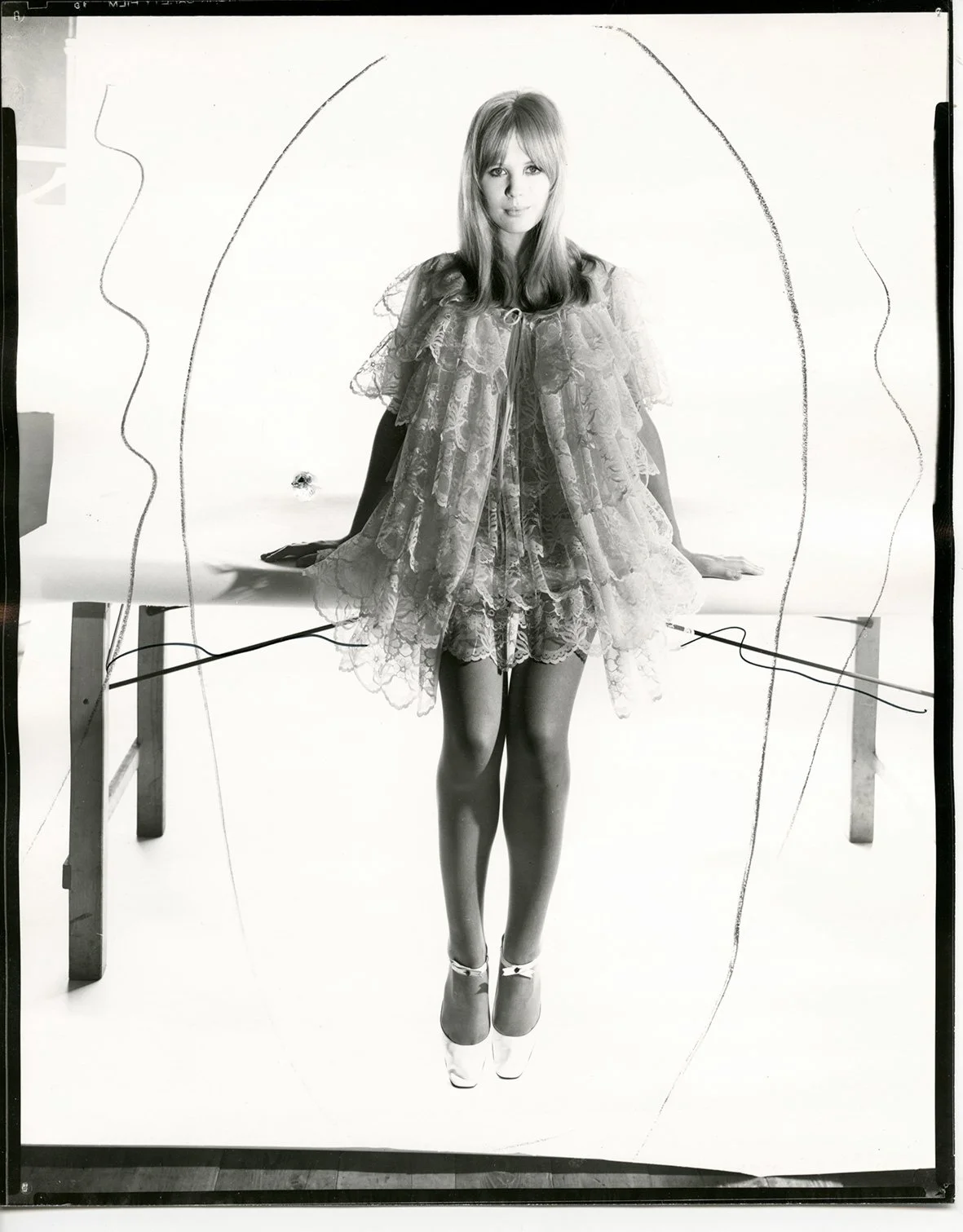
Courtesy of the Terence Donovan Archive
IN THE MAKING
Donovan’s diaries are where the logistics become visible. They were working calendars, packed with shoots, meetings and appointments, but they also show how many people and decisions sat behind a fashion photograph. His work depended on a trusted circle of assistants, fashion editors, hair stylists and make-up artists. Donovan noted not only where he had to be, but how the photograph would be made: camera, lens, film, lighting and, sometimes, even a sketch of the set-up. On the page for his 1988 Vogue shoot with Cindy Crawford, contact prints sit directly alongside these notes.
Donovan and Crawford worked together only once, for British Vogue in 1988. She was twenty-two and meeting him for the first time, while fashion director Anna Harvey had already worked with Donovan for a decade. Harvey remembers a little anticipation in the studio at first, but it did not last long. Donovan approached Crawford with the same interest he brought to meeting anyone new, and the two quickly found an easy rhythm.
The contact sheets expose another part of the process: the photographs that came before the photograph. The team deliberately shot more frames than would be published. Harvey remembers Crawford moving easily against a plain white background, while Donovan gave her considerable freedom in deciding how the clothes should be shown. Five photographs eventually appeared in the magazine.

Cindy Crawford, 25 April 1998
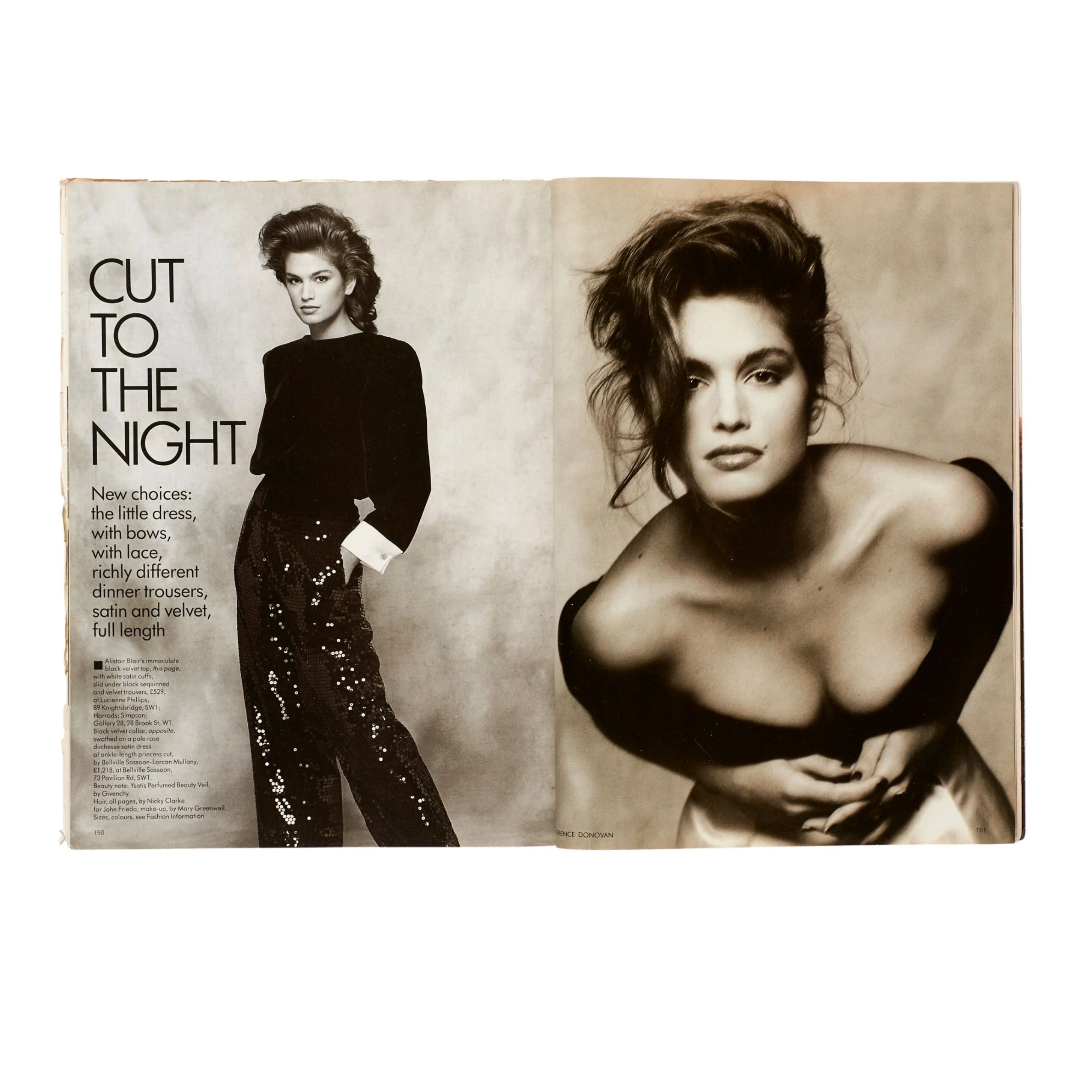
Courtesy of the Terence Donovan Archive
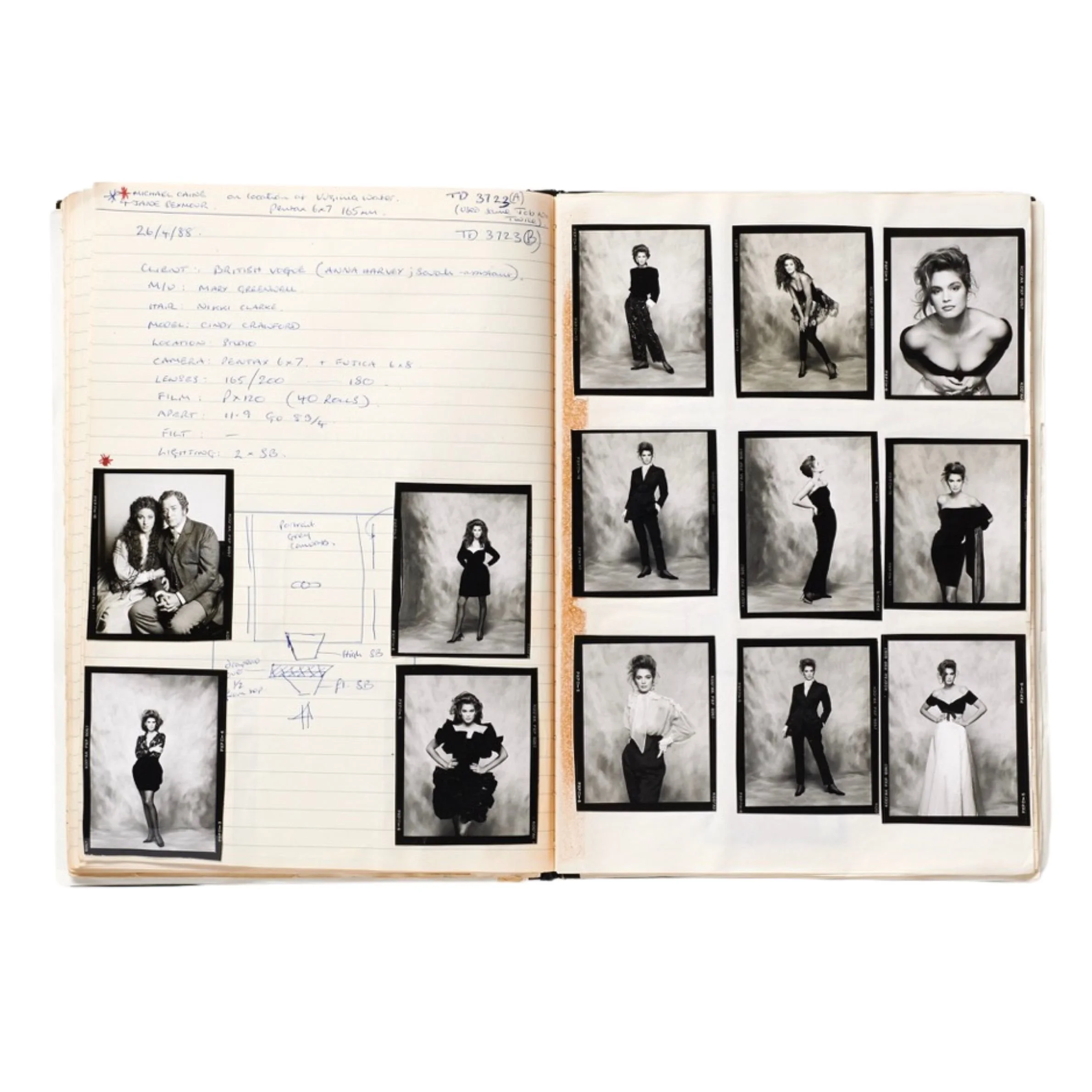
Courtesy of the Terence Donovan Archive
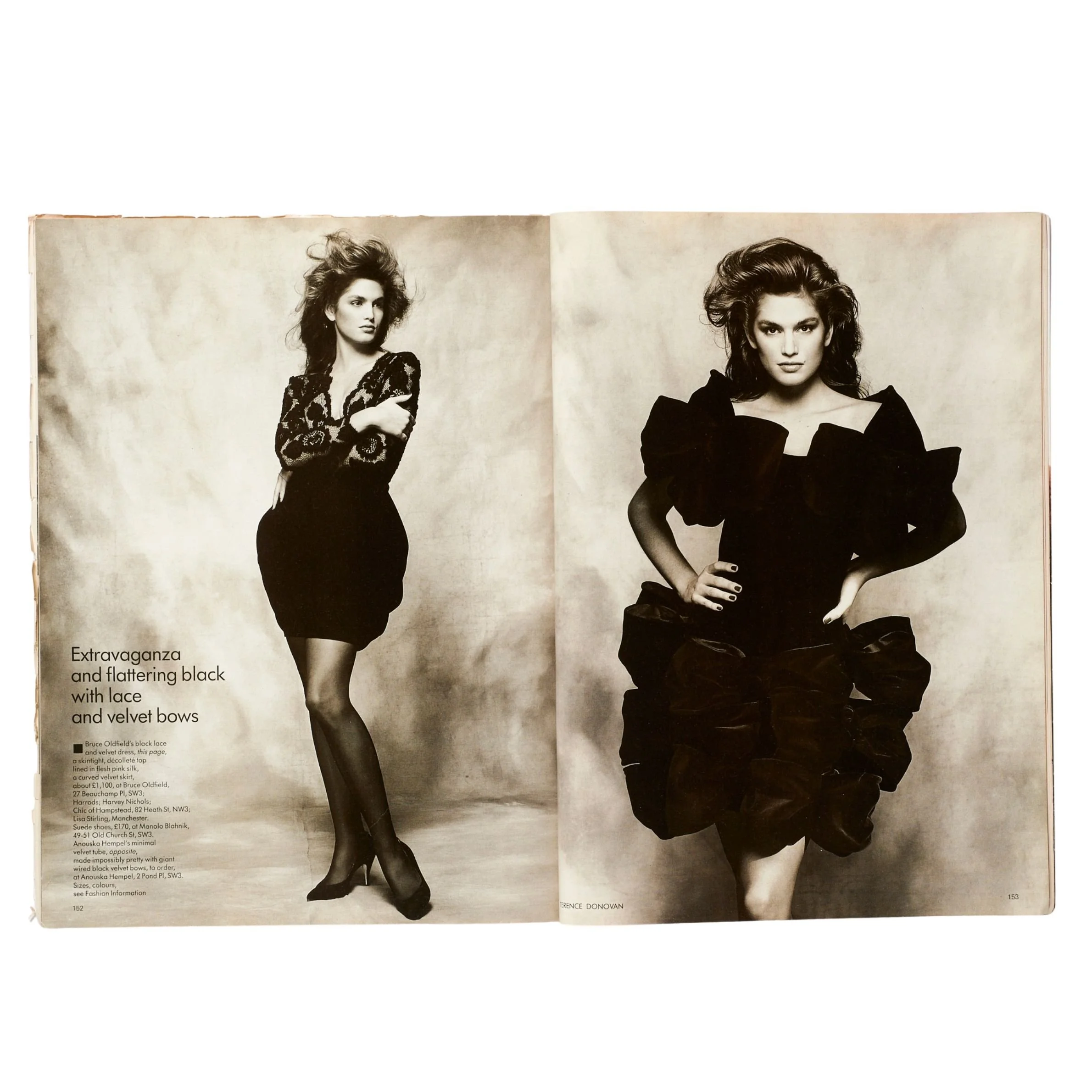
Courtesy of the Terence Donovan Archive
“Terence certainly saw fashion photography as a team enterprise, and he wanted to work with people he liked and trusted.”
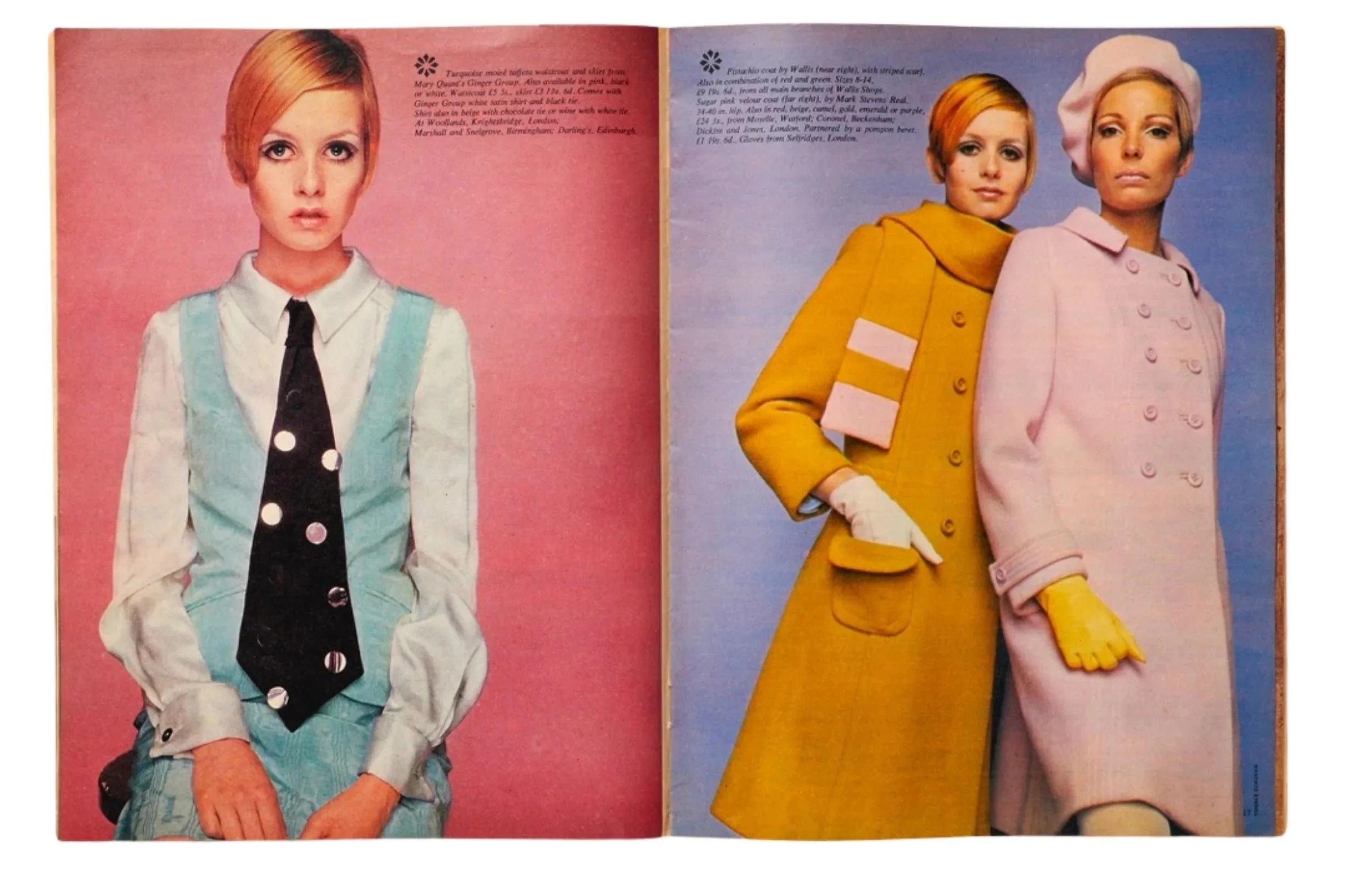
Courtesy of the Terence Donovan Archive
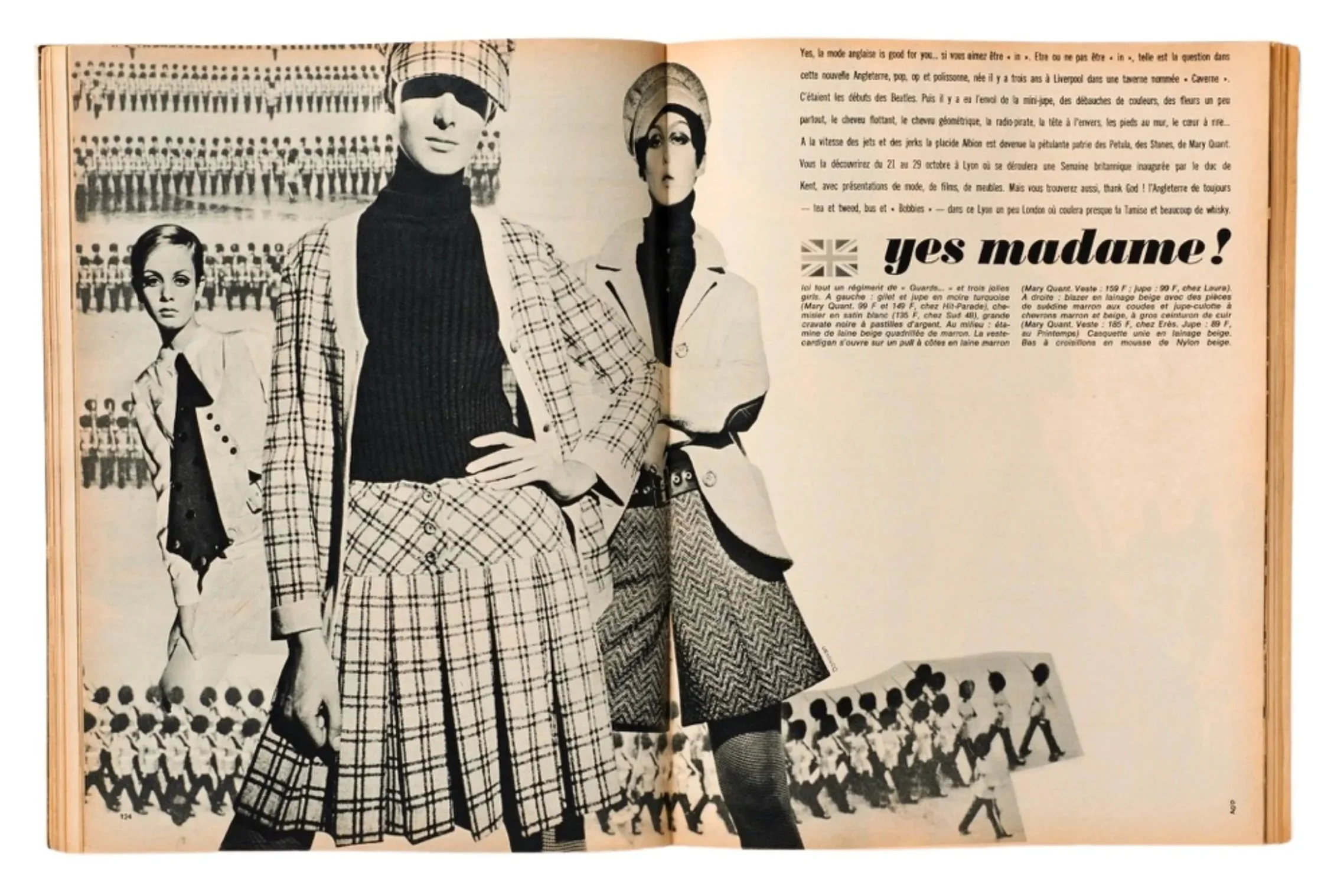
Courtesy of the Terence Donovan Archive
FROM STILL TO MOVING
For Donovan, still photography and film did different things. He described one as isolating time and the other as trying to recreate it. From the 1970s onwards, moving image occupied an increasingly large part of his professional life, particularly through commercials and music videos. Film offered movement, duration and sound, but Donovan continued to approach it with the eye of a photographer: alert to the single gesture, silhouette or composition capable of holding attention on its own.
His typed proposal for Robert Palmer’s Addicted to Love makes this especially clear. Before a frame had been shot, much of the finished video was already there on the page. Donovan imagined slick, shining hair; models in Azzedine Alaïa dresses; a camera moving close to faces, hands and instruments; and a band that would appear briefly, almost like a tableau, before “evaporating” again. Even in motion, he was thinking in sharply composed images.
He was also aware of how the video would actually be seen. Television editors might enter and leave it at any moment, catching only twenty seconds before cutting elsewhere. Donovan designed the video around it. Every fragment had to be strong enough to stop the eye. His aim, as he put it, was to make viewers “visually hungry for the material.”
And still photography kept pulling him back. In 1996, the final year of his life, Donovan returned to magazines with a GQ portfolio of British pop figures, published after his death. It feels like another expression of the same impulse that had driven his work all along: to keep looking, testing and finding another image.
The range of Donovan’s interests becomes difficult to separate from the act of photographing itself. People interested him. Cameras interested him. London interested him. Each image brought another set of decisions — and, once it was made, another reason to keep going.
The archive he left behind makes that clear: decades of assignments, negatives, contact sheets, diary entries and finished photographs. For Donovan, one photograph was rarely the end of the matter.
“There was always another moment to try and capture, another brilliant picture to take.”
With my warmest thanks to Diana Donovan and Alex Anthony of the Terence Donovan Archive for their time and generosity, and for so openly sharing the beautiful memories, stories and details that helped bring this exhibition —and Terence’s world— into clearer view.
All photographs in this exhibition are available to purchase. Please contact Elliott Gallery for availability and prices.
