
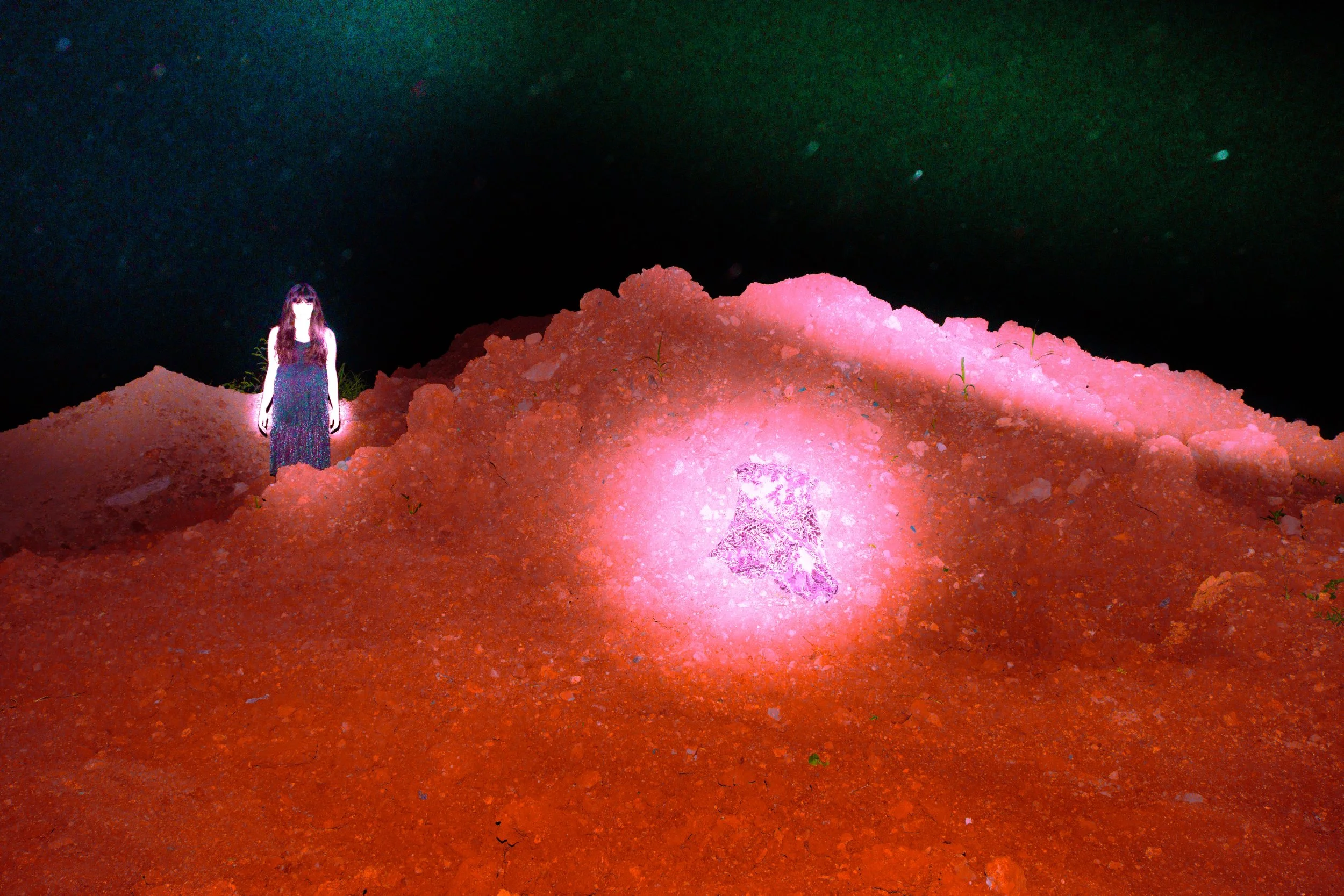
We want to thank every artist who took the time to share their work with us and were delighted to receive such diverse and inspiring submissions. We're so grateful to everyone who participated.
Following a thoughtful review process, we are thrilled to announce Bienyl Huelgas as the winner of our Open Call for Emerging Artists!
Bienyl has been selected to join our mentorship program, and we are truly looking forward to collaborating with her over the coming months to support her artistic practice and development.
Congratulations Bienyl!
Does heaven hold a place for transsexuals like me? from the series CAVITEÑA, 2026 by Bienyl Huelgas
“My practice draws from my lived experience as a transgender Filipina and uses photography as a space for self-reflection and inquiry. As a self-taught artist, I work across analog and digital photographic processes to examine how gender, place, class, religion, and colonial histories shape the ways we understand and inhabit ourselves.
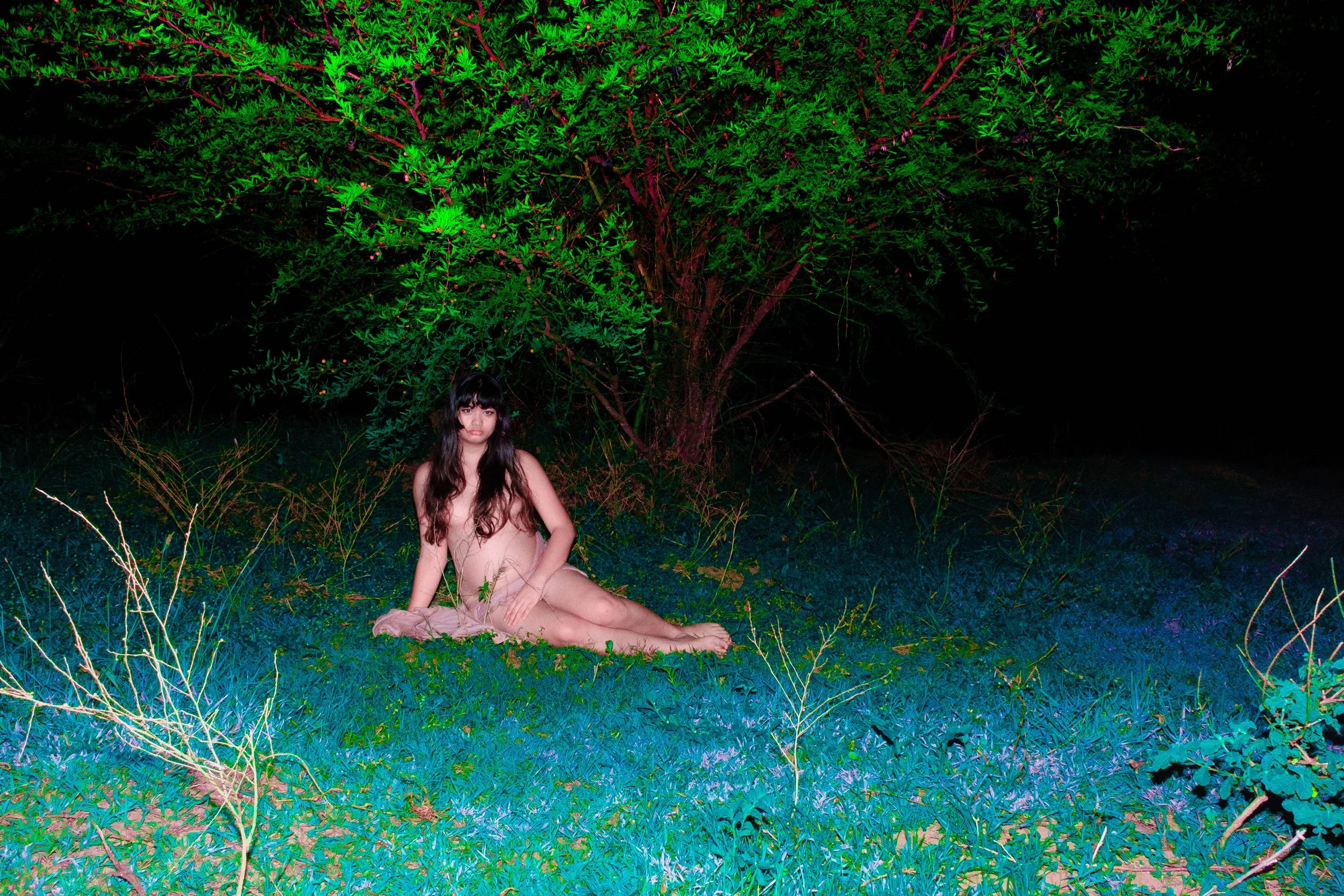
In CAVITEÑA, I use self-portraiture to confront my gender dysphoria, the discomfort of being perceived, and the longing to belong to a place and body on my own terms. I photograph myself using a delayed shutter and tripod, working alone and sometimes with the help of my brother, within the rural landscape of Cavite where I grew up. The process allows me to construct images at my own pace while negotiating the distance between how I experience myself and how I am seen. Here, I consider estrangement from land and estrangement from the body as intertwined forms of exile. Through this act of return, I explore photography as a space for reclaiming and reimagining forms of belonging.”
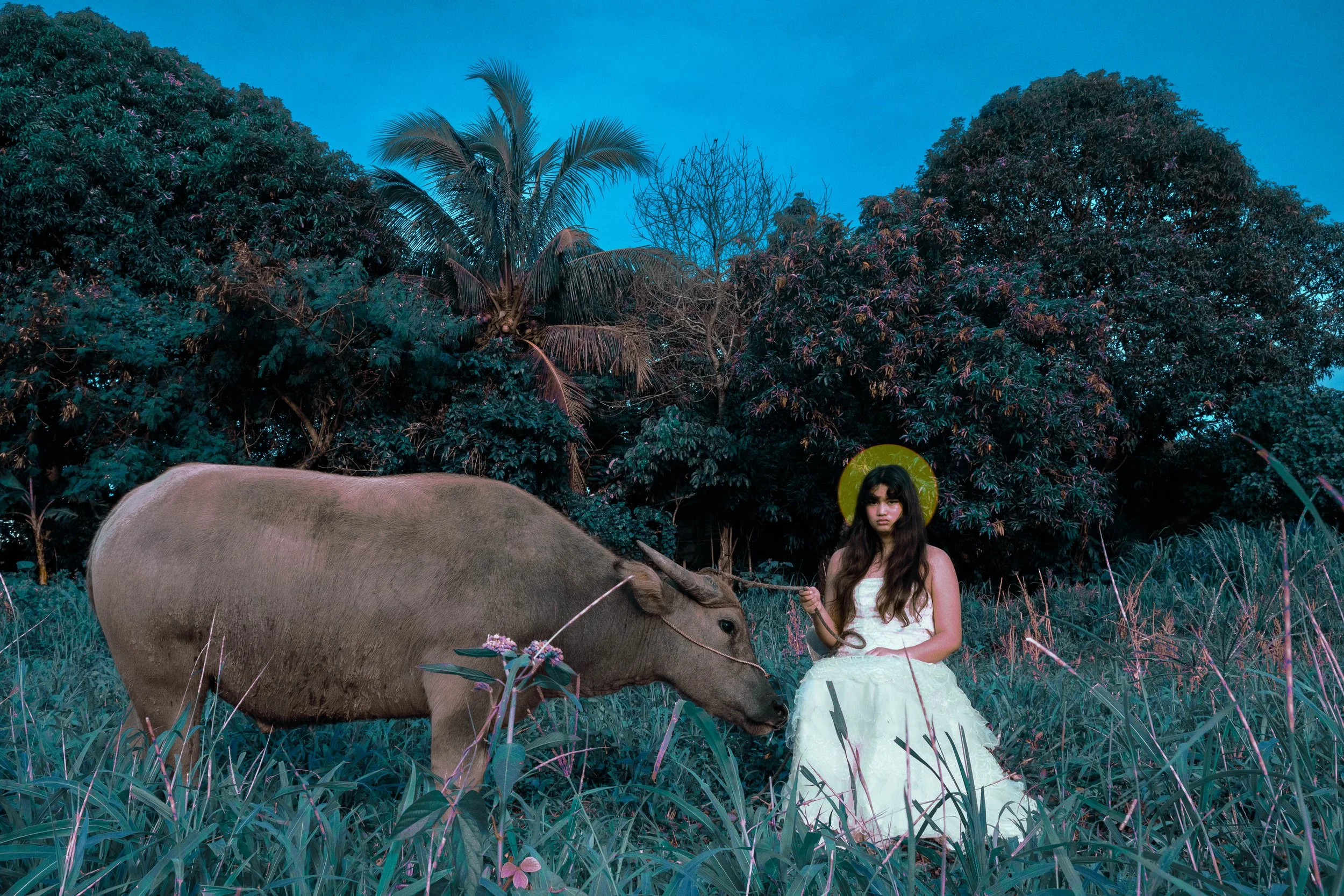
Beast of arcadia from the series CAVITEÑA, 2026 by Bienyl Huelgas
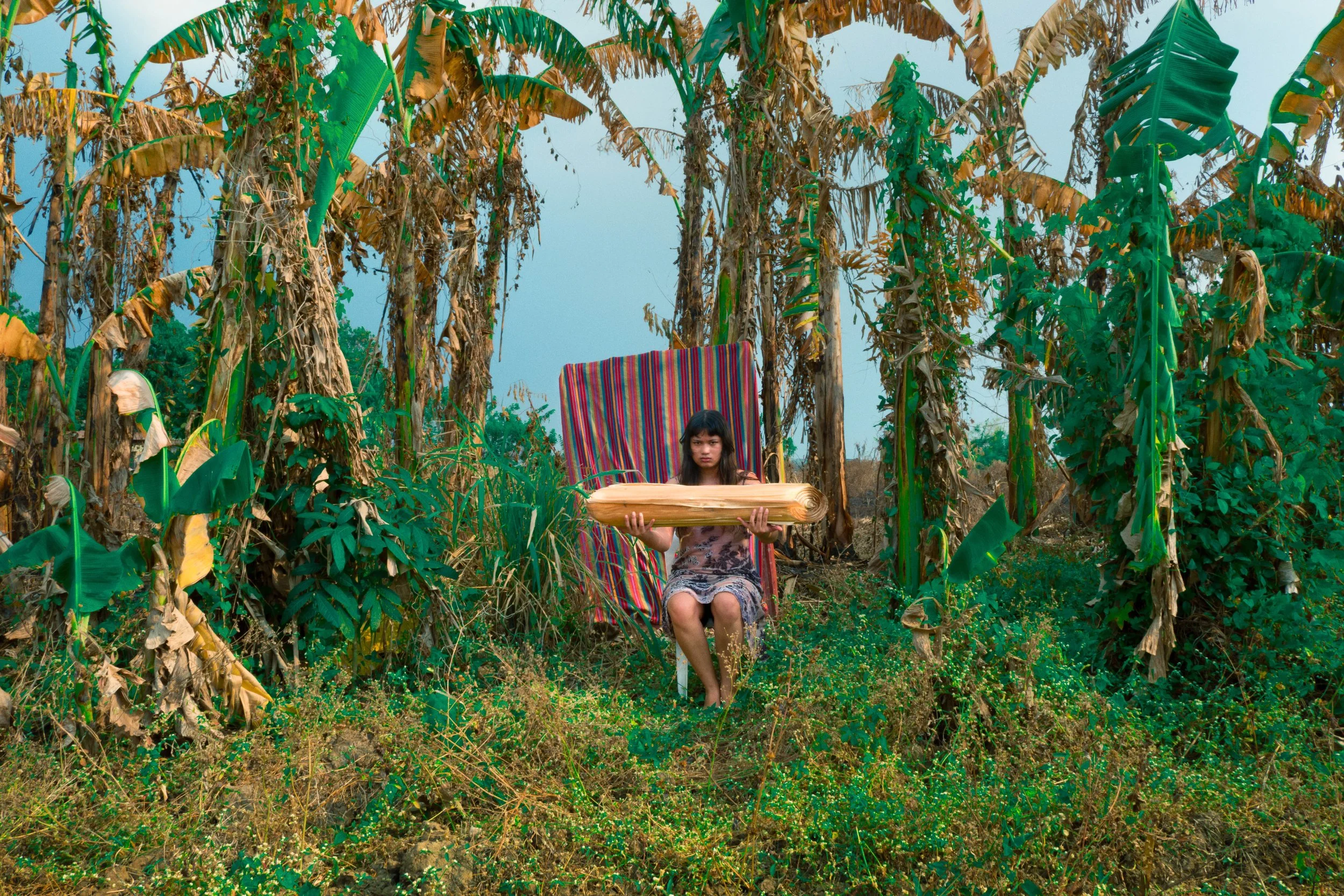
Nuestra señora de la tierra from the series CAVITEÑA, 2026 by Bienyl Huelgas
“My practice is developing toward new sustained bodies of work that investigate broader histories of identity and power. I am particularly interested in exploring the colonial history of photography in the Philippines and the ways the camera has been used to document and control bodies and communities. I am also interested in nationalism as a constructed category and its parallels with bioessentialist understandings of gender that position identity as fixed and immutable.
These interests come from reflecting on my own experiences of being seen, categorized, dissected, and represented, and on how these experiences are shaped by larger systems of power. Ultimately, I see photography as a way of holding experiences that have often remained outside its frame, and I continue to ask what it means to reclaim an image-making practice built on histories of being looked at rather than looking back.”
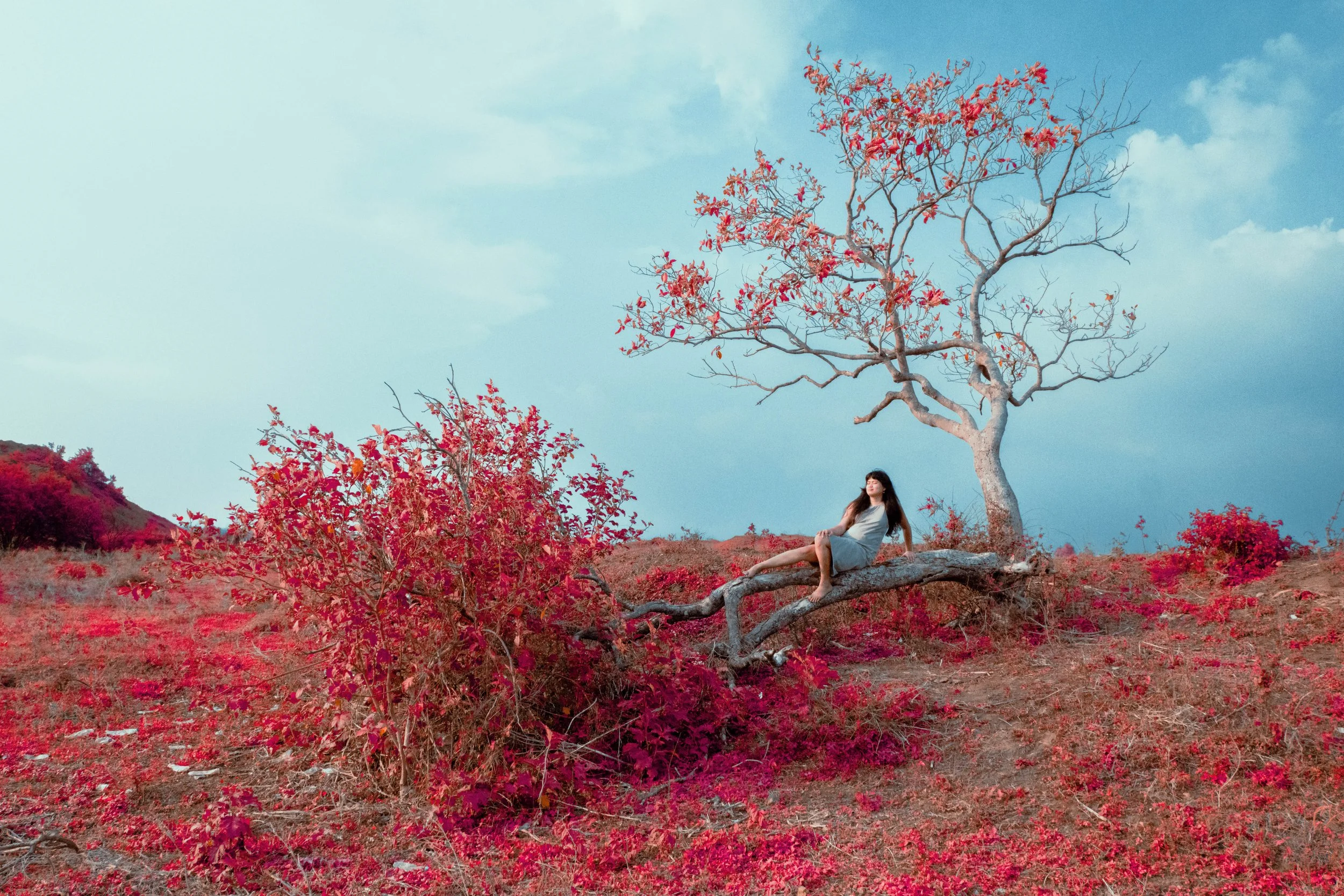
Vivarium (the sacred tree) from the series CAVITEÑA, 2026 by Bienyl Huelgas